Water resources, which are necessary for the continuation of life, are rapidly polluted with many different factors. The reduction of clean water resources and the increase in the cost of water have brought the issue of treatment and recovery of wastewater to the agenda.
Gray Water Recovery: It is the purification of the least polluted part of domestic waste water (other than toilet wastes) (shower, sink, tub water) for reuse. In some special cases, the water discharged from the washing machine and kitchen is also included in the gray water, and it is biologically treated at a lower cost and recycled as utility water.
It is possible to recover industrial wastewater after treatment or as raw by using more advanced treatment technologies and to use it as industrial water / production process water.
Regain; it can be by using physical, chemical and biological classical treatment processes, or in addition to these when necessary, according to the needs of the usage process,
- Microfiltration
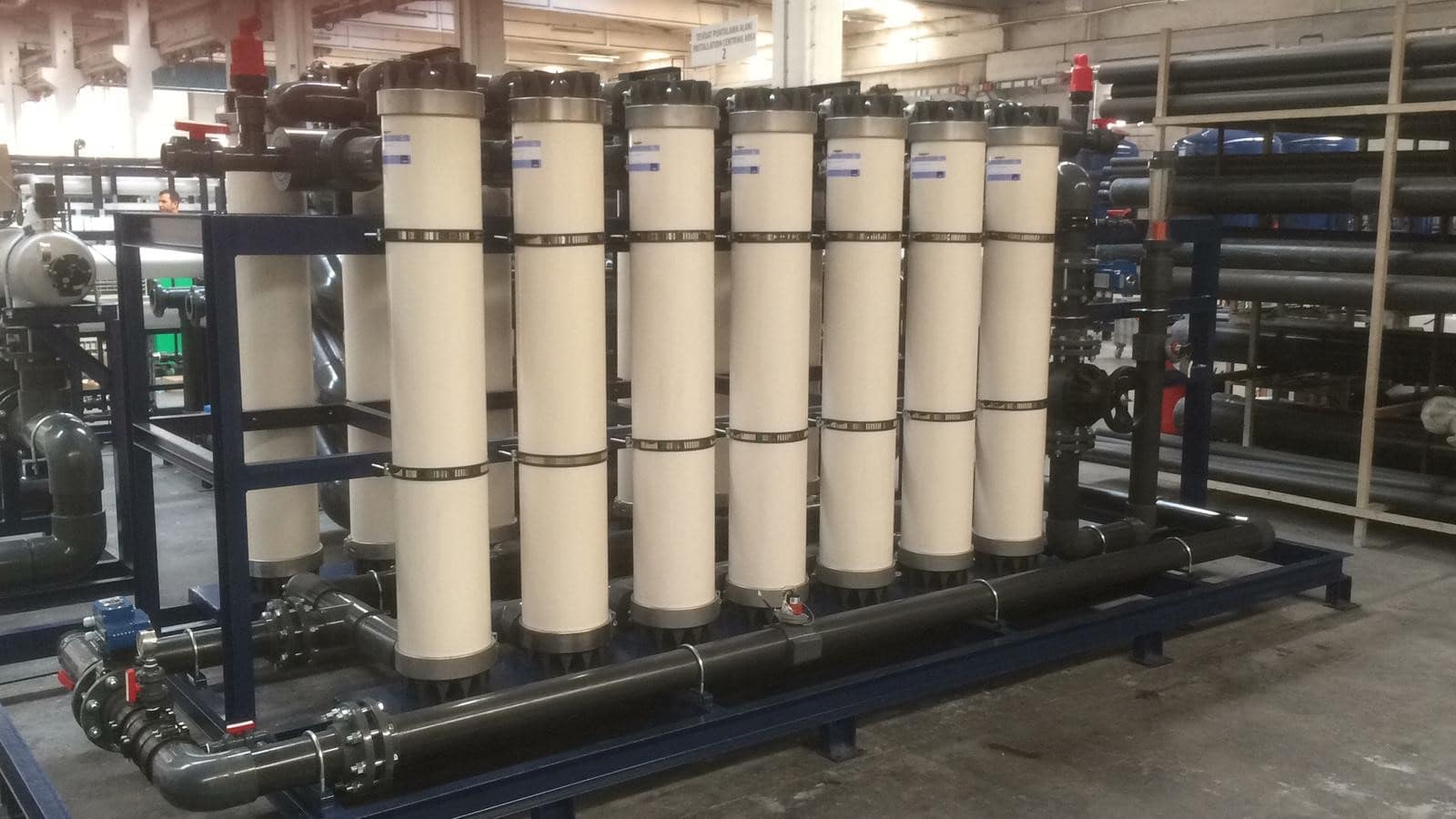
- Ultrafiltration
- Membrane technologies such as Reverse Osmosis (RO) or
- It can be realized with special chemical processes.
The treatment of domestic or industrial wastewater is subject to different sanctions today and the water resources of the future are secured in this way. However, countries accept that being only in the last step of this solution – removing the pollution caused by production – is not enough and foresees a transition to zero discharge practices, which is a step that will protect the life cycle of water from the production of the raw material to the end user.
Zero discharge; It is the whole of the processes that ensure the recycling of industrial wastewater by reducing the environmental footprint and prevent its discharge into the nature, especially with the facilities designed according to the characteristics of the waste waters from industrial facilities.
These processes:
- Ultrafiltration,
- Reverse osmosis,
- Evaporation,
- Crystallization,
- Desalination and drying.
Reusing water, which is an energy source, in the process both reduces water costs and protects the nature.