Due to the acceleration of industrialization and population growth, water, which was considered an unlimited resource in the past, has started to be accepted as a scarce resource today.
This situation can be explained as follows; These resources (underground, surface water resources and seas), which are necessary for the continuation of life, can no longer carry out their own cycles and need an external solution.
domestic wastewater; It can be defined as the sewage wastewater generated as a result of human consumption in large and small-scale cities, districts, towns and villages.
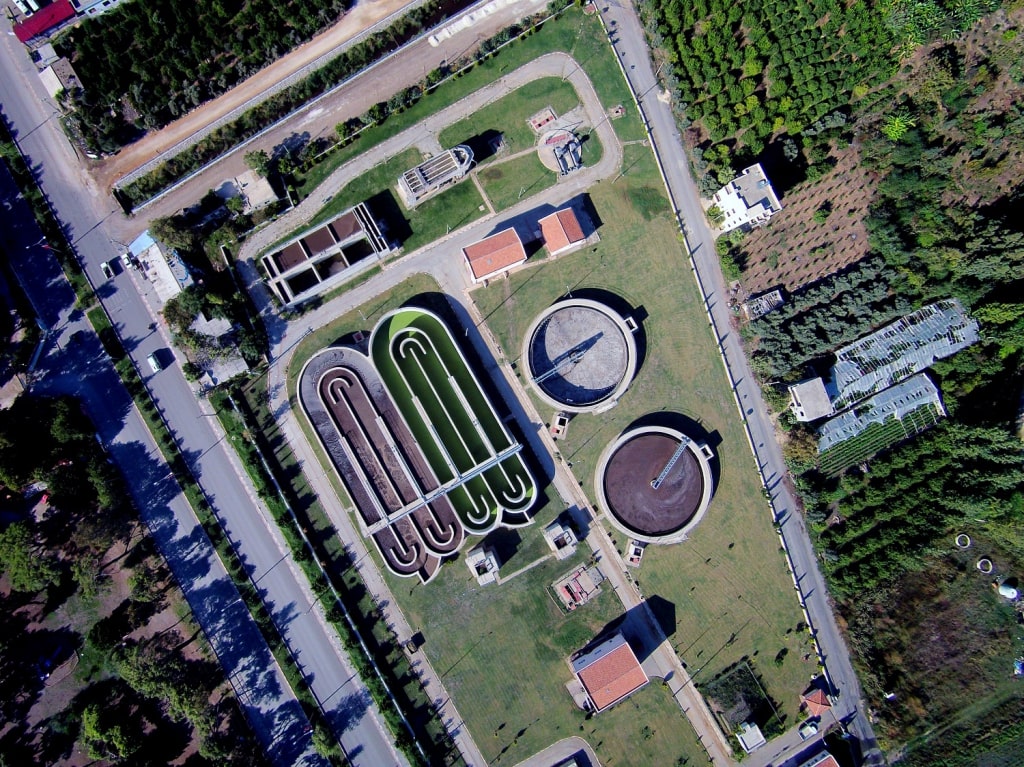
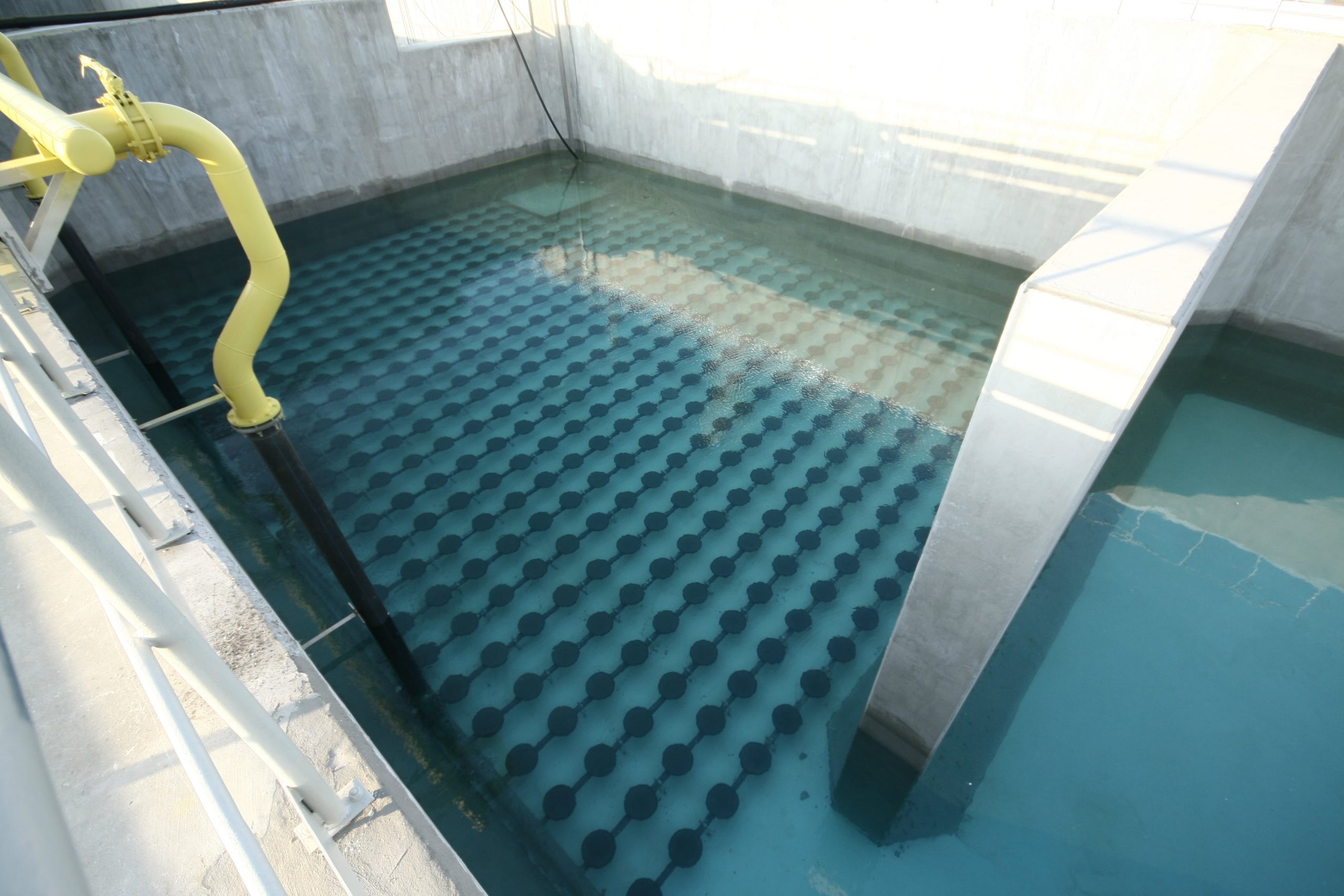
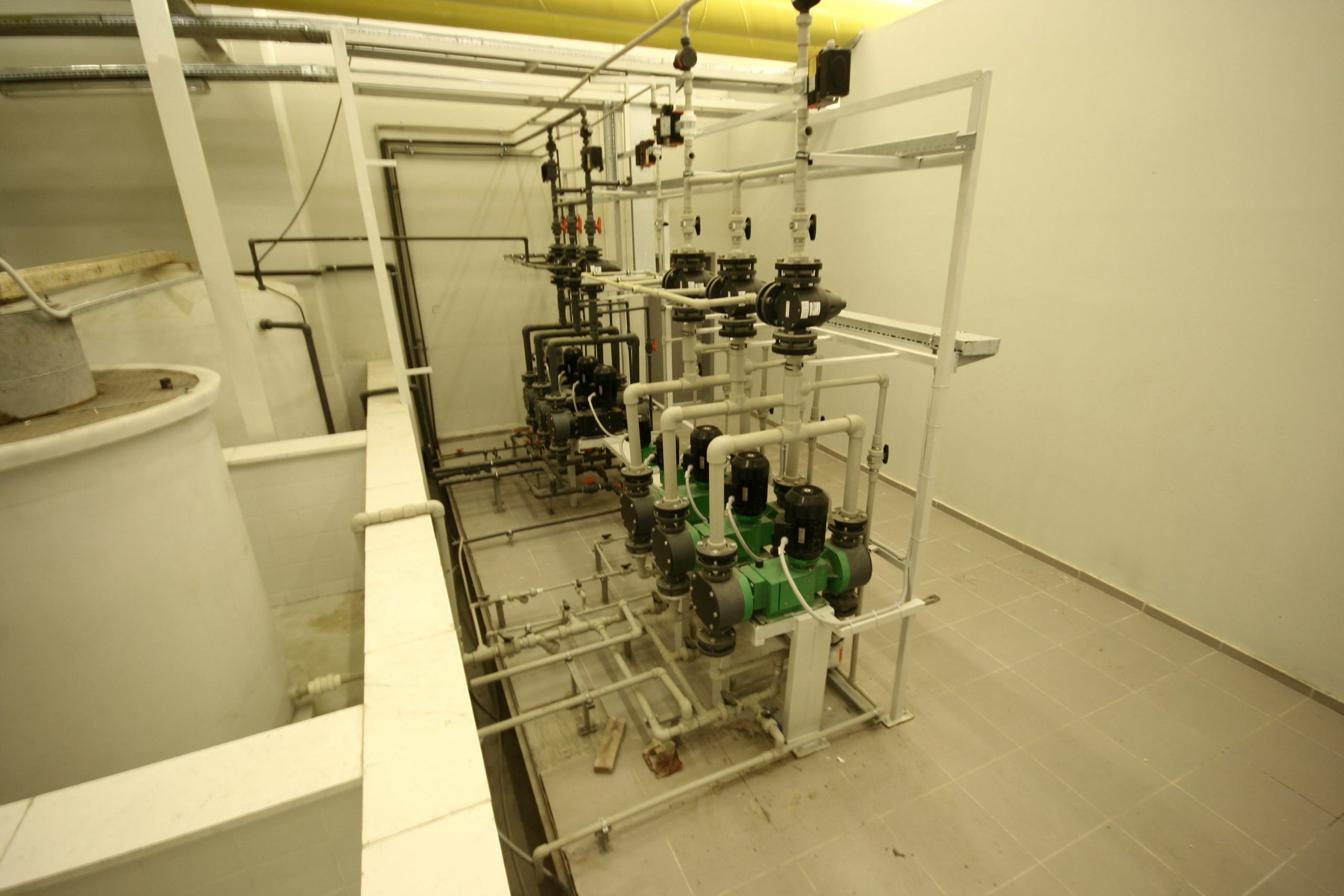
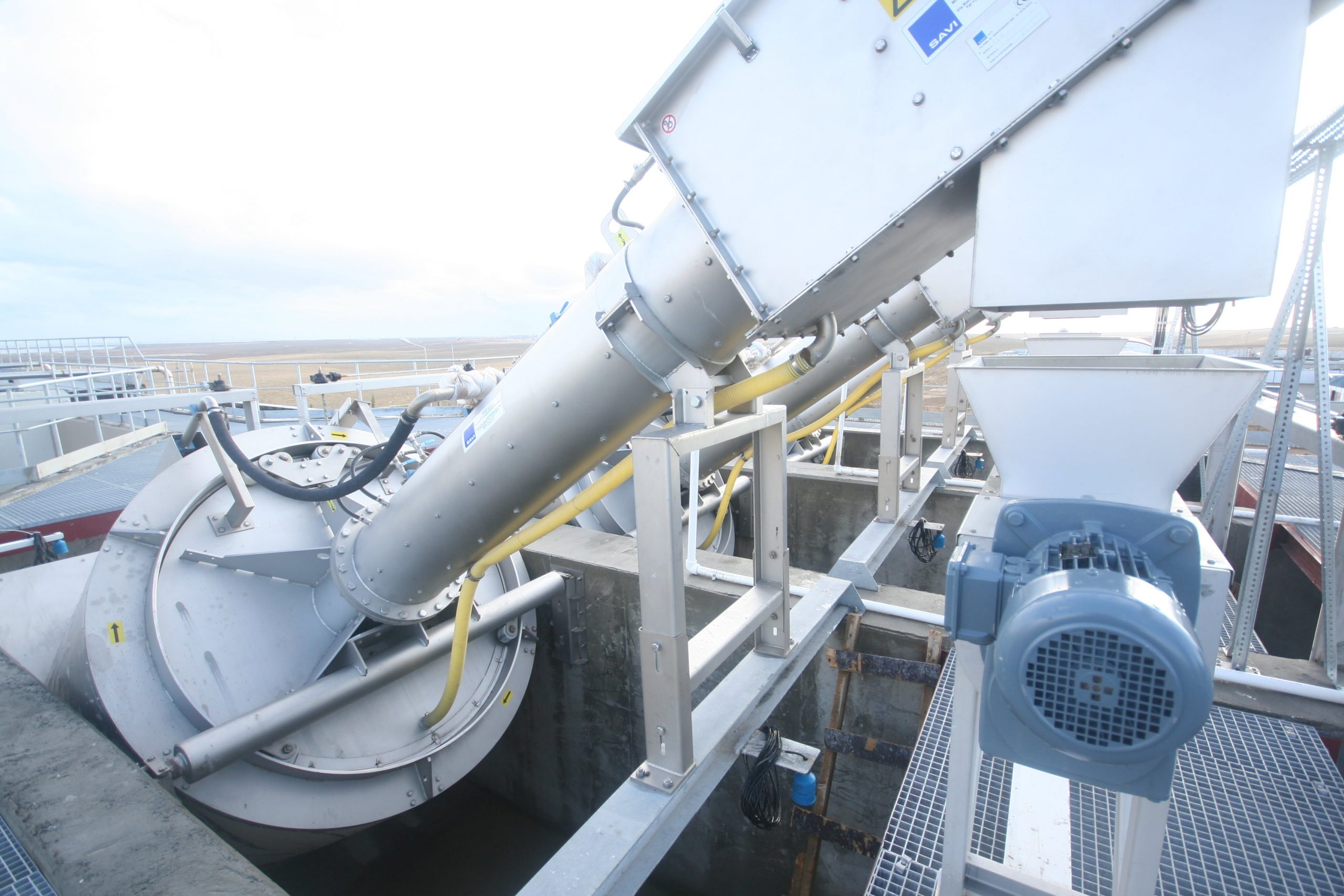
As Felimare Engineering and Foreign Trade Company, we continue to work and offer new solutions for many different cities and countries for these wastewaters with high organic pollution.
APPLIED SOLUTIONS
Physical Processes
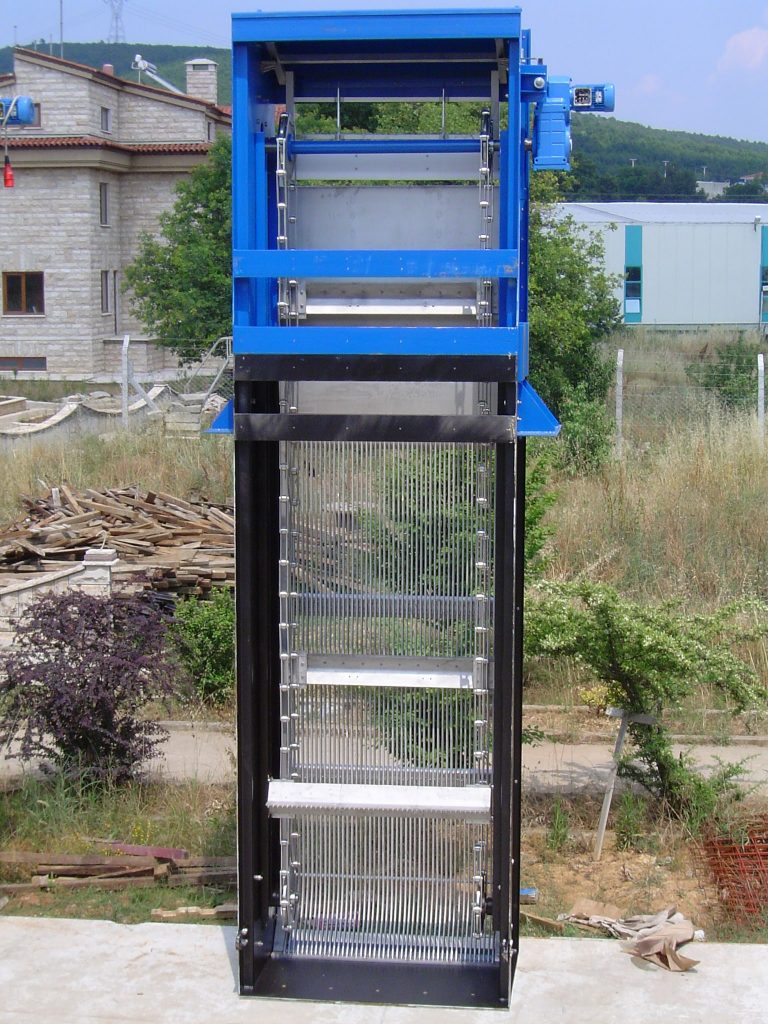
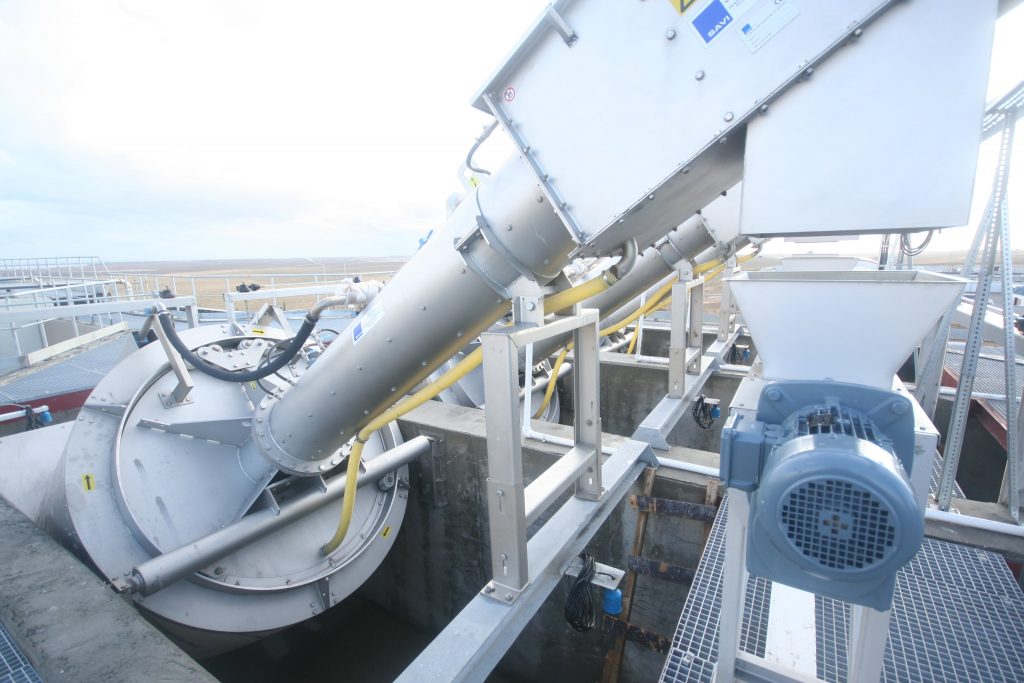
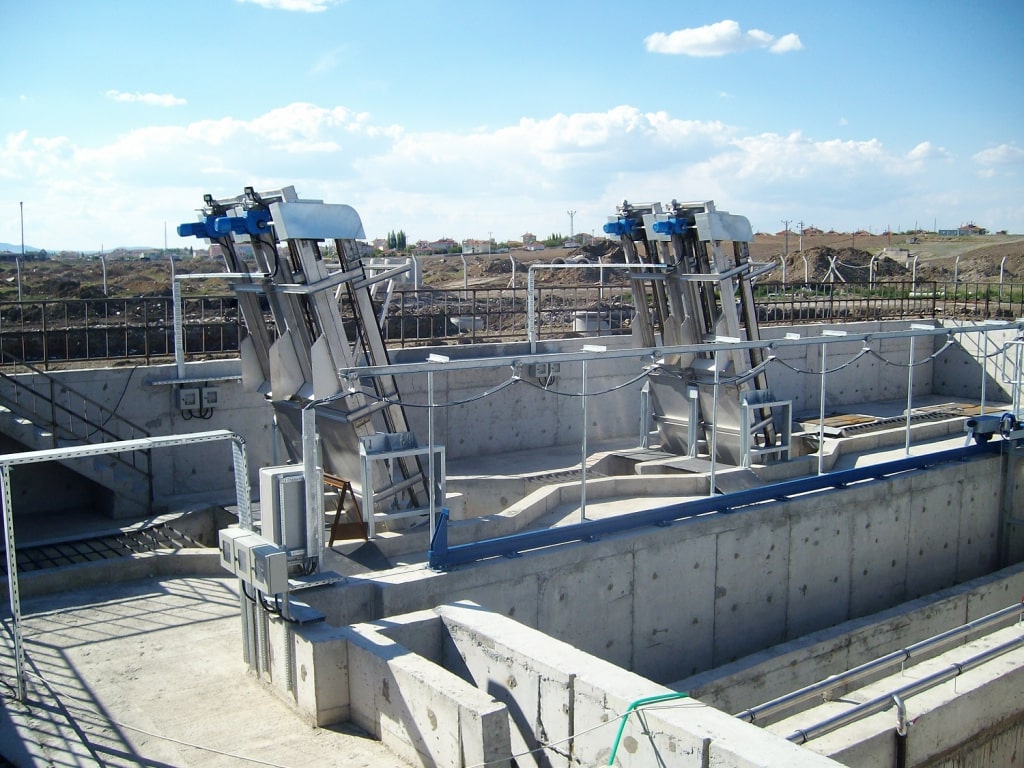
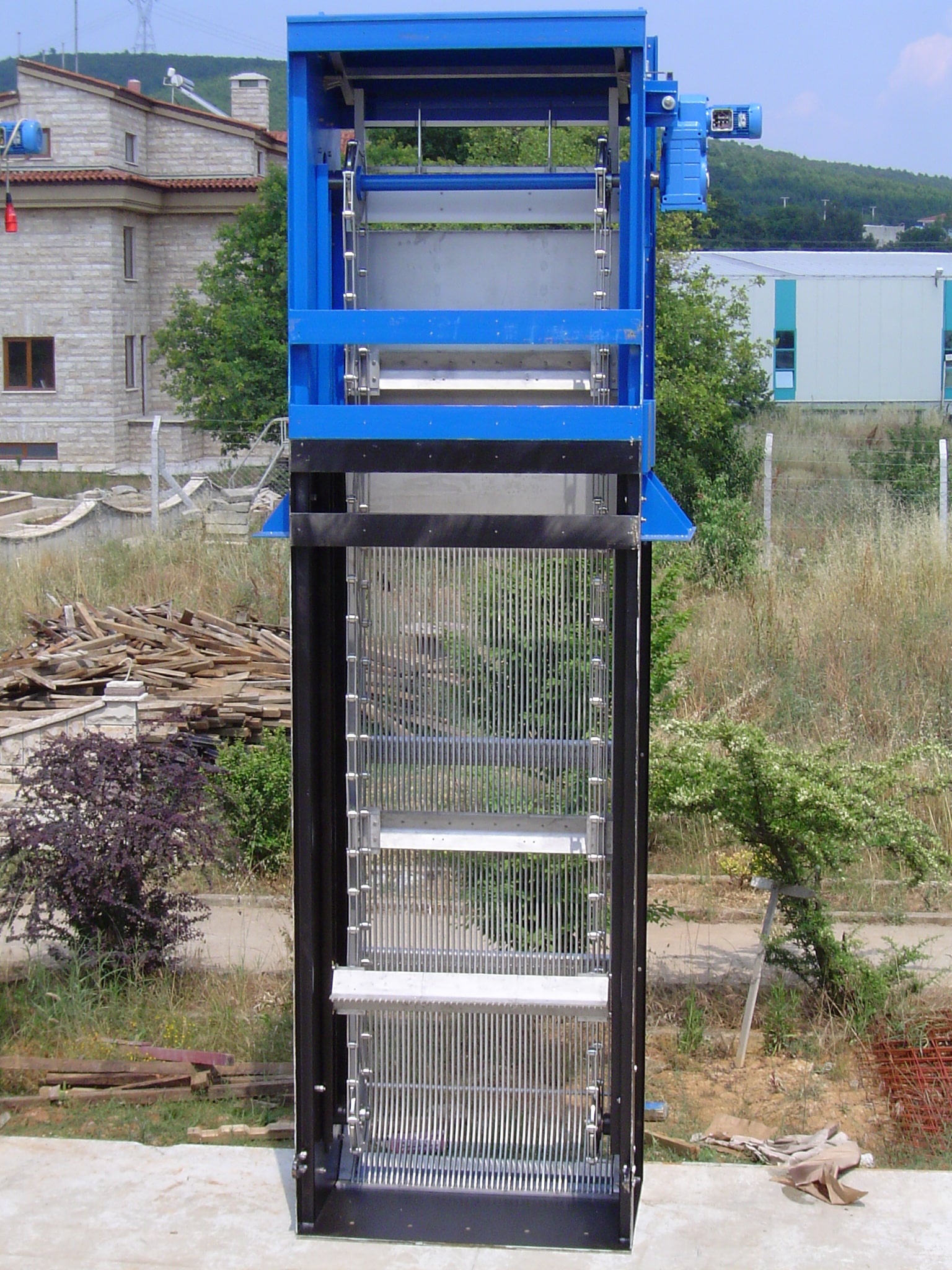
a. Screens
b. Grit and grease removal
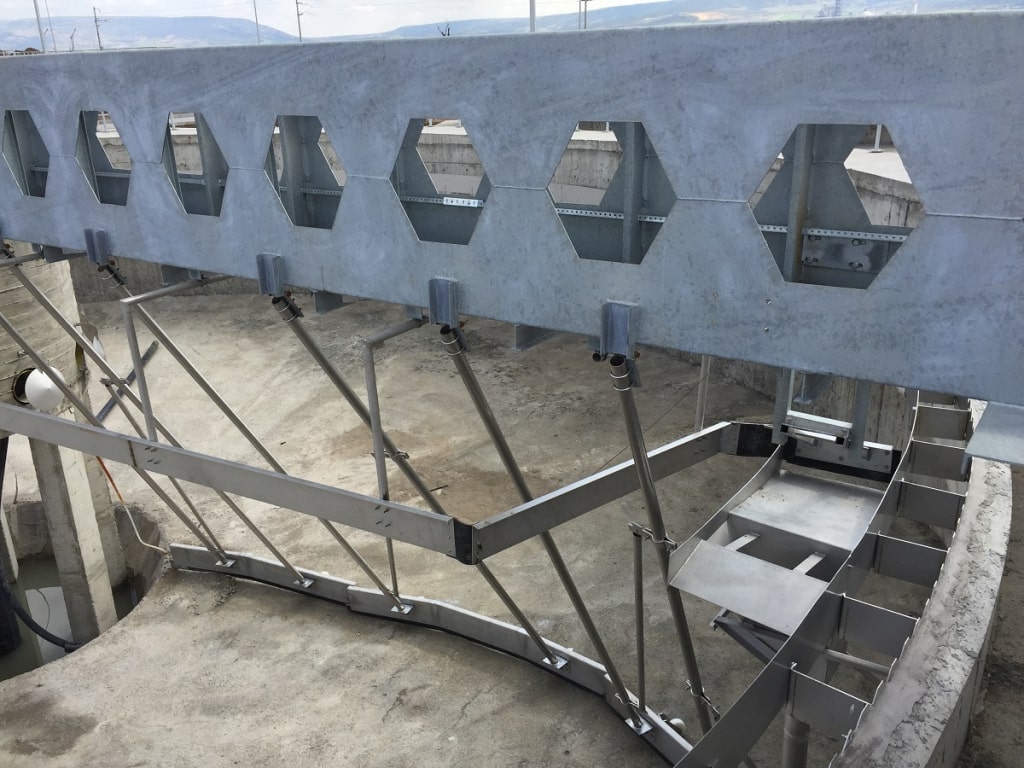
c. Primary sedimentation
d. Flotation (DAF, microflotation)
Biological Processes
a. Suspended growing processes
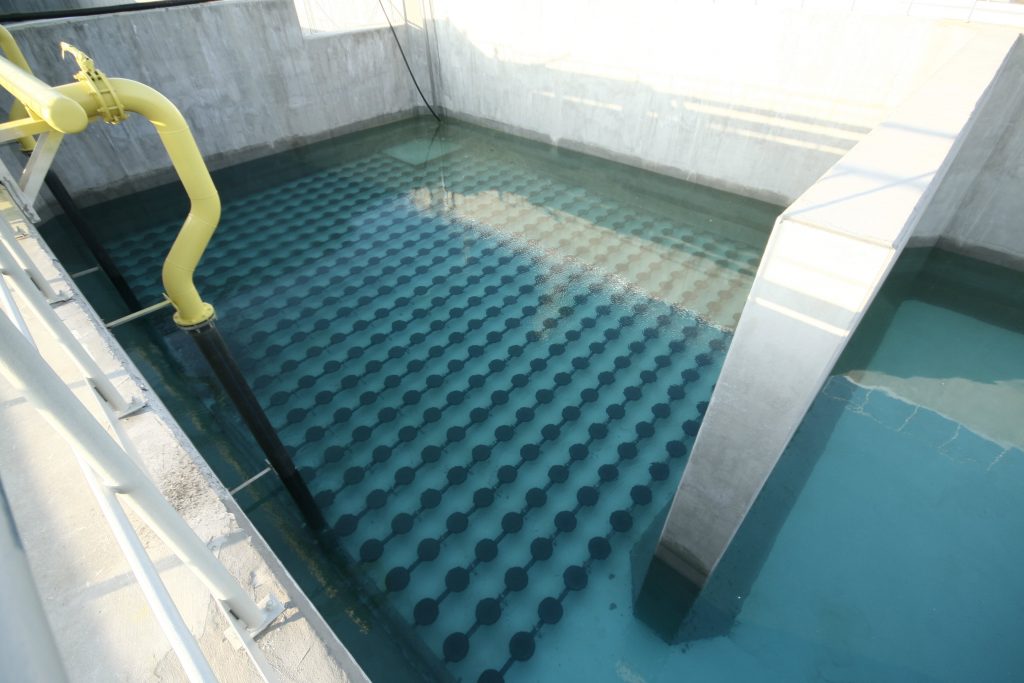
i. Activated sludge system
1. Carbon removal
2. Nitrification
3. Denitrification
4. Biological phosphorus removal
5. Solid-liquid phase separation by final sedimentation tank
6. Sequencing batch reactors (SBR)
7. Solid-liquid phase separation by Membrane bioreactors (MBR)
b. Attached growth processes
i. trickling filter
ii. biodisc
iii. Moving bed bioreactors (MBBR)
iv. Integrated fixed film activated sludge process (IFAS)
v. Aerobic granular sludge systems (Nereda)
c. anaerobic processes
i. Completely mixed reactors
ii. High-rate anaerobic granular systems (UASB, IC, ECSB, EGSB)
iii. Anaerobic membrane processes (ANMBR)
Chemical Processes
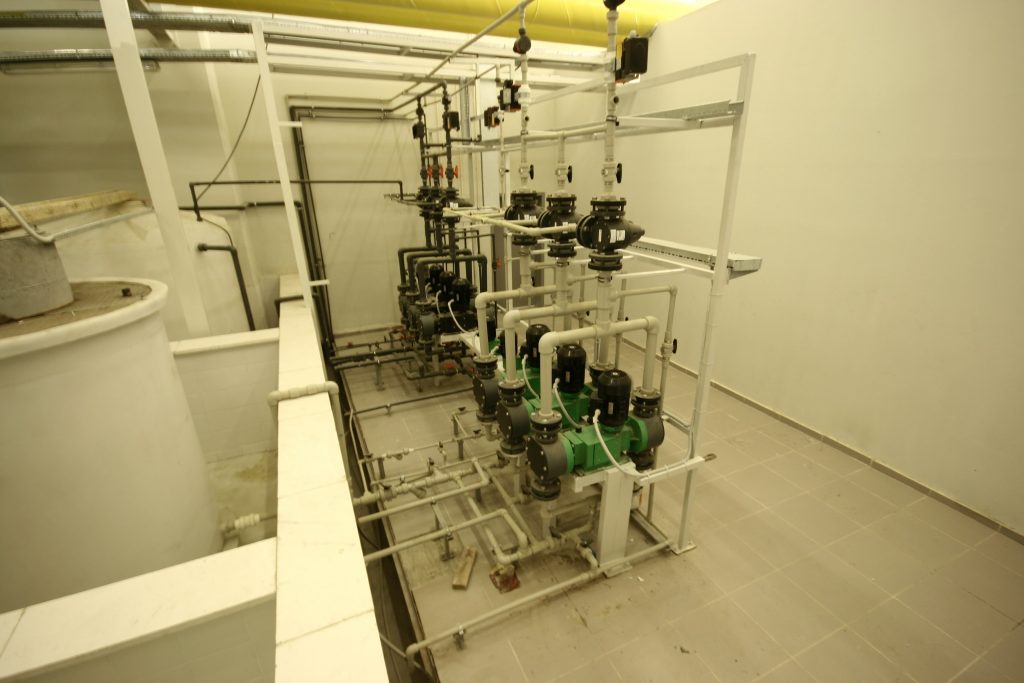
a. Chemical phosphorus removal
b. Chemical phosphorus recovery
Processes using for residual pollutants
a. Filtration
b. Membrane separation (MF, UF, NF, RO, EDI)
c. Electrodialysis
d. Adsorption (activated carbon adsorption, …)
e. Ion exchange
f. Distillation
Disinfection
a. Chlorination
b. Ultraviolet radiation
c. Ozone disinfection
d. Peracetic acid disinfection
Wastewater Recovery
a. Microfiltration
b. Ultrafiltration
c. Membrane technologies such as Reverse Osmosis (RO) or
d. It can be realized with special chemical processes.
Sludge Treatment
a. Sludge Stabilization and Sludge Digestion (Aerobic, Anaerobic)
b. Sludge Thickening (Gravity Thickening, Mechanical Thickening, Flotation Thickening)
c. Sludge Dewatering (Belt Press, Filter Press, Centrifugal Decanter)
d. Sludge Drying